



Coated Milling Cutter VS Uncoated Milling cutter, Which is better?
Carbide Milling cutters can be classified as coated or uncoated. Both have advantages and disadvantages, but which is better and how should you choose? We’ll explore the pros and cons of each type in more detail in this article:
What is a coated Carbide Milling Cutter?
Coated milling cutters have a thin layer of coating on the surface, which can be applied by CVD or PVD methods. This coating can be made from a combination of materials such as TiN, TiCN, TiAlN, DLC, etc.
The purpose of the coating is to increase the hardness of the tool and provide good wear resistance when machining. Coated carbide cutters have a lower coefficient of friction, which means they have a longer life, and material can be removed faster.
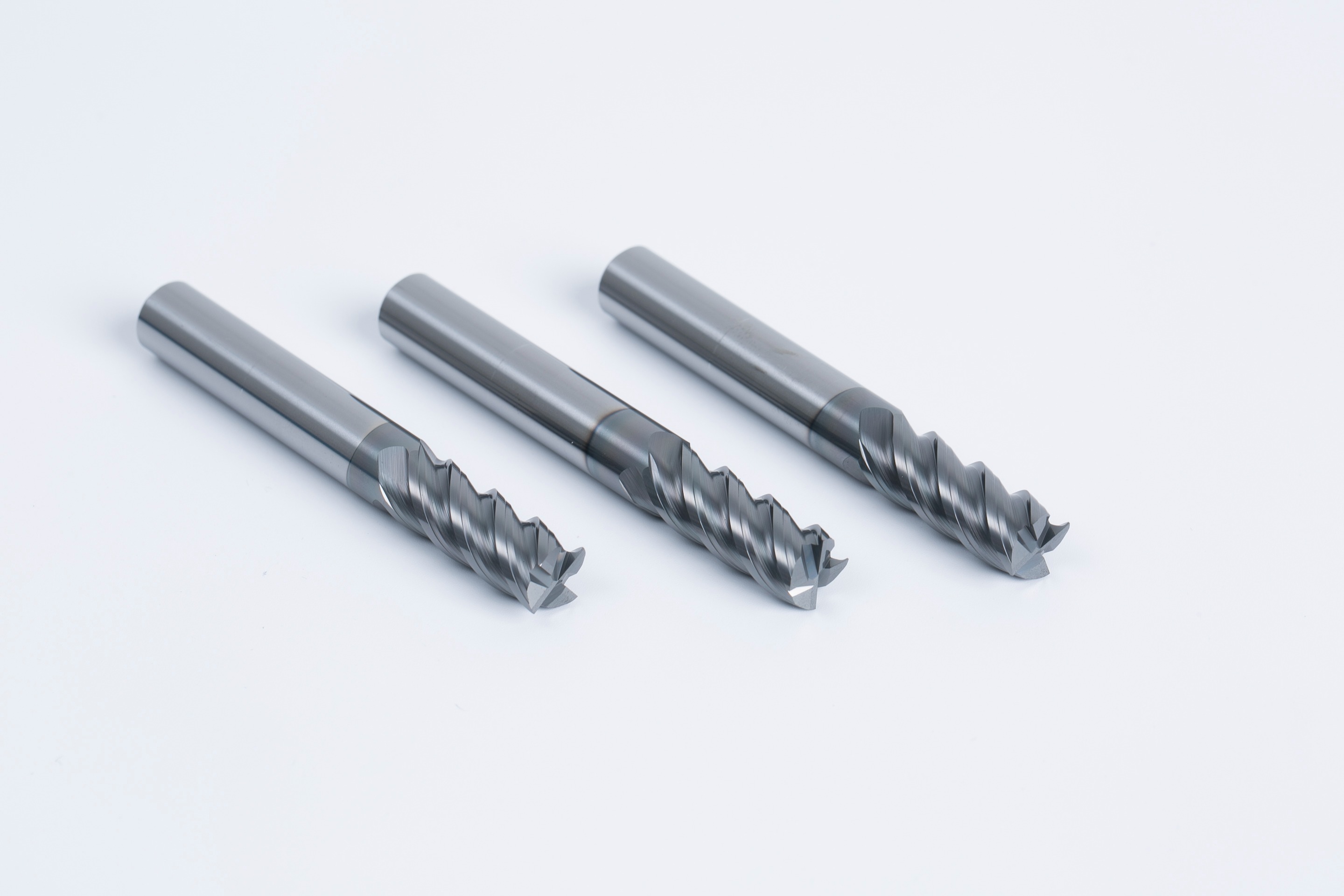
The disadvantages of coated milling cutter
Limited material compatibility---Certain coatings may not be suitable for machining certain materials, so their application may be limited. For example, aluminum (and other non-ferrous metals) may adhere to certain coatings, leading to the formation of sticky chips. This can lead to faster tool wear, complete tool burnout, or workpiece damage.
Not suitable for low-speed cutting---Coated milling cutters tend to chip or flake off the coating when machining at low speeds, so they are not suitable for use in low-speed processing.
Higher costs---Coated tools are generally more expensive due to the additional coating process, so if you have a limited budget and do not require high machining performance/tool life, then uncoated tools may be a better choice.
What is an uncoated milling cutter?
Uncoated End Milling Cutters do not have any coatings on the surface of their carbide cutter substrate. They are typically used for low-cost general-purpose milling operations on ferrous metals, or they are preferred for high-performance machining of non-ferrous applications (such as aluminum).
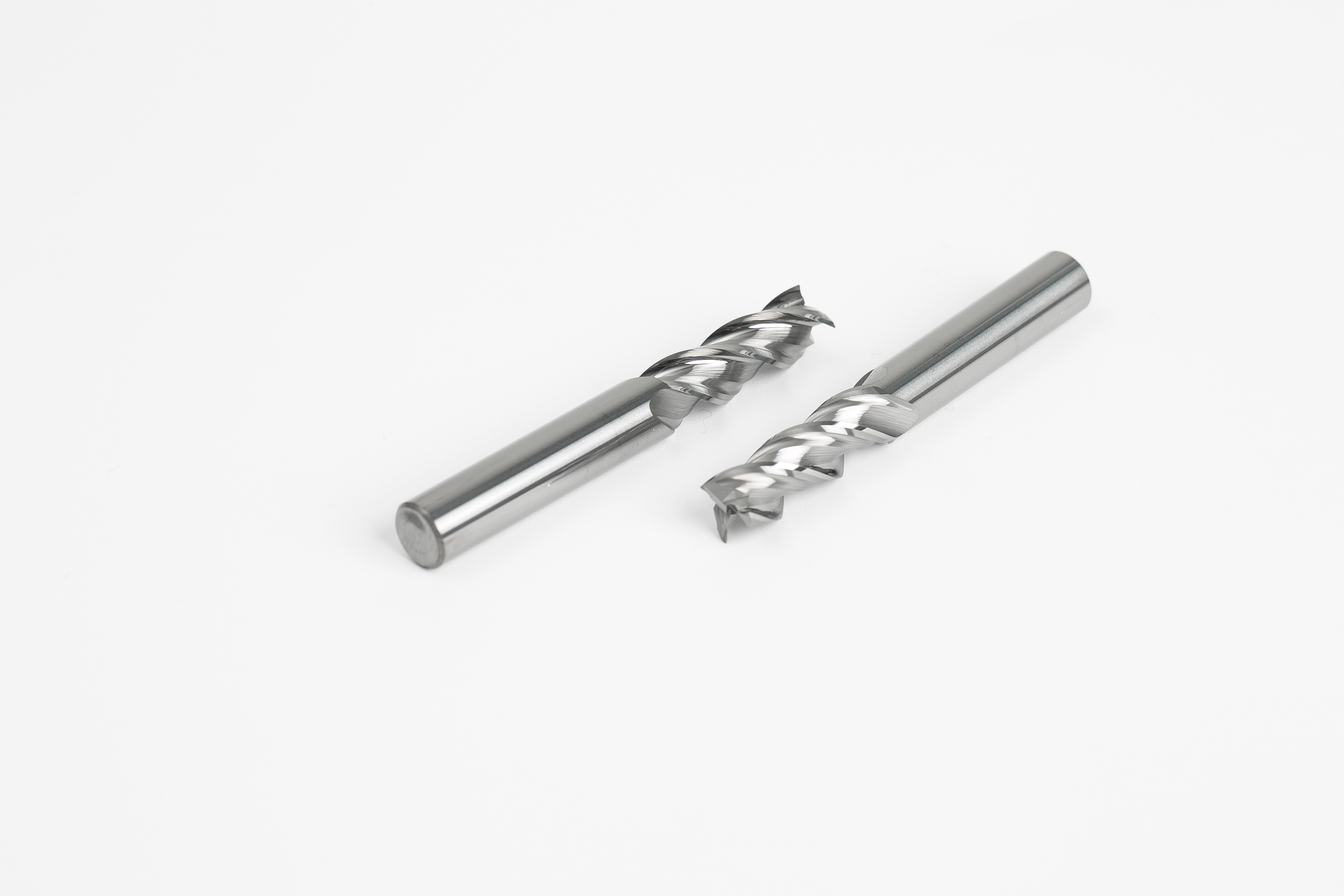
The advantage of Uncoated Milling Cutter
Ideal for non-ferrous applications - Polished, uncoated milling cutters provide high-performance machining of non-ferrous applications such as aluminum. Some coatings can stick to these types of materials, which can lead to problems that affect carbide tools' life and workpiece finish.
Cost Effective - For general-purpose applications, uncoated milling cutters are typically more affordable than coated milling cutters. This makes them ideal for budgets.
Versatile - They can be used in a wide range of materials and general economic machining.
Ease of resharpening - uncoated cutters are relatively easy to resharpen when the cutter becomes dull.
The disadvantage of Uncoated Milling Cutter
Short life - Uncoated Cutters have a shorter life compared to coated tools, especially when machining harder or more abrasive materials.
Heat-resistant -No coating will lead to higher cutting temperatures, which can affect tool life and surface finish.
Not suitable for higher speeds and feeds – The increased risk of carbide cutters' wear on uncoated tools makes them unsuitable for high-speed or high-feed milling applications.
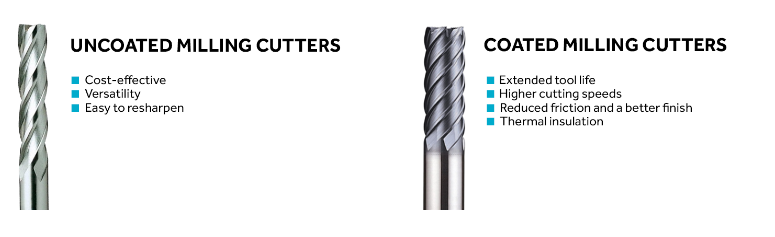
Which is better? Coated or uncoated
It depends on the specific cutting application and the material to be machined. Coated milling cutters are advantageous when used for high-speed machining and cutting hard materials, such as stainless steel or titanium. The coating gives the tool better wear resistance and longer tool life, saving money in the long run. However, coated tools are more expensive than uncoated tools, so a cost-benefit analysis must be carefully considered.
Uncoated milling cutters are typically used for softer materials such as aluminum or brass. They are cost-effective and can be used for a wide range of general-purpose machining. However, they are not as durable as coated cutters and may need to be replaced more frequently.
Conclusion
In summary, both coated and uncoated milling cutters have their position in the machining shop. The best choice depends on the specific cutting application and the material to be machined.
For machining softer materials, such as aluminum, you would typically use an uncoated milling cutter. Aluminum swarf tends to be sticky or form long chips, so you may run into problems, and an improper choice may reduce your tool life or affect your surface finish.