



What is a corner rounding end mill
Definition and Basic Structure
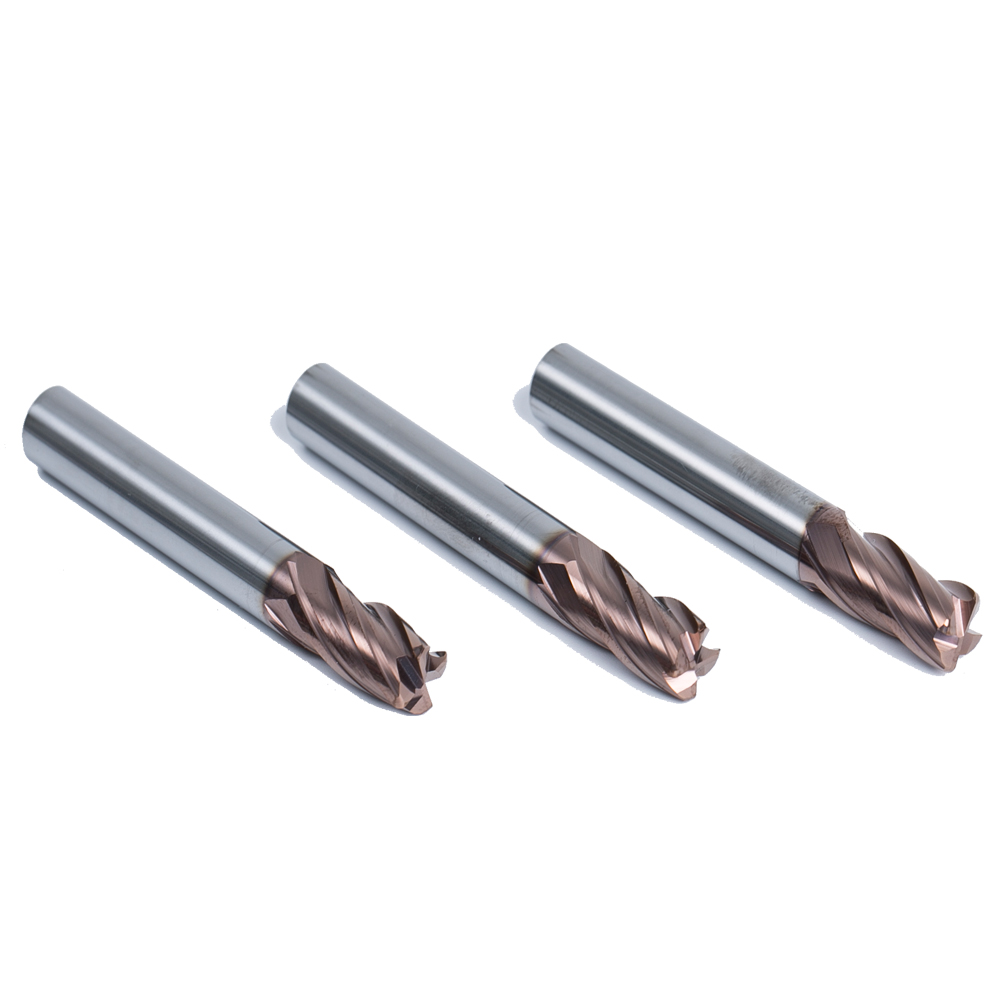
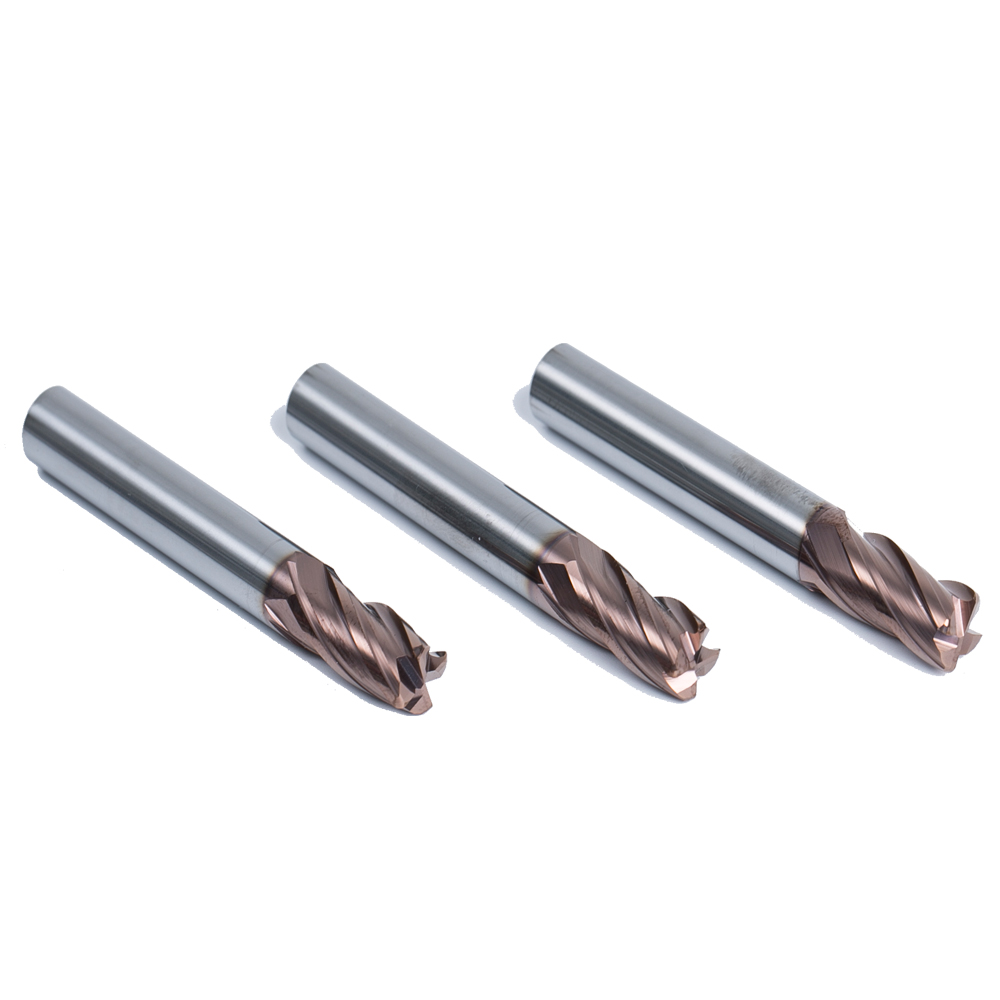
- Cutting Edges: These are the rounded tips that remove material to create the desired radius.
- Flutes: The spiral grooves that help remove chips and improve cutting efficiency.
- Shank: The part of the tool that is inserted into the machine, providing stability and support.
- Coatings: Many corner rounding end mills are coated with materials like carbide or diamond to enhance durability and reduce friction.
Applications
- Deburring: Removing sharp edges from machined parts to prevent injuries and improve safety.
- Fillet Creation: Adding rounded edges to reduce stress concentration in mechanical components, enhancing durability.
- Aesthetic Finishing: Creating smooth transitions and rounded contours for improved appearance.
- Complex Part Manufacturing: Used in industries like aerospace, automotive, and medical device manufacturing to create intricate parts with high precision.
Advantages
- Reduced Stress Concentration: Rounded edges help distribute stress more evenly, reducing the risk of fractures and extending the life of machined parts.
- Improved Surface Finish: The smooth cutting action of corner rounding end mills results in high-quality surface finishes, often eliminating the need for secondary operations.
- Versatility: These tools can be used on a variety of materials, including metals, plastics, and composites.
- Increased Tool Life: The rounded cutting edges are less prone to chipping and wear compared to sharp-edged tools.
Material and Construction
Market Trends and Industry Adoption
Best Practices for Use
- Select the Right Tool Size: Choose a tool with a radius that matches the desired corner radius of the workpiece.
- Adjust Cutting Parameters: Optimize cutting speeds, feed rates, and depth of cut based on the material being machined.
- Use Coolant: Applying coolant can help reduce heat buildup and extend tool life.
- Regular Maintenance: Inspect tools periodically for wear and damage, and sharpen or replace them as needed.
Corner rounding end mills are indispensable tools in modern machining operations. Their ability to create smooth, rounded edges and fillets enhances the performance, durability, and aesthetics of machined parts. By selecting the right tool and following best practices, users can achieve high-quality results and extend the life of their cutting tools.
FAQ
1.What is the end mill cutting rule?
End mill cutting rules involve optimizing speed (RPM), feed rate, depth of cut, and tool path based on material, tool geometry, and coating. Proper chip evacuation, avoiding excessive heat, and minimizing vibration ensure tool longevity and surface finish.
2.What is the difference between corner radius and square end mill?
A corner radius end mill has rounded edges (e.g., 0.5mm radius) to reduce chipping and stress, ideal for mold finishing. A square end mill has sharp 90° corners for precise slotting but is prone to edge wear in hard materials.
3.What is the difference between end mill and roughing end mill?
A roughing end mill has serrated teeth to break chips into smaller segments, enabling deeper cuts and faster material removal. A standard end mill has smooth flutes for fine finishing but lower feed rates.
4.What is the standard rounded corner radius?
Common standard radii range from 0.5mm to 3mm. Smaller radii (0.1-0.5mm) suit detailed work, while larger radii (2-3mm) enhance durability in heavy milling. Industry-specific standards (e.g., aerospace) may vary.