



Choosing the Right Micro End Mill for Precision Machining
Precision machining needs close attention to small details. Picking the right micro end mill is very important for good results. You should think about tool shape, material match, and durability. For example, special coatings for certain materials reduce wear and make tools last longer. Keeping the right Length of Cut (LOC) helps tools stay strong and avoid breaking. These decisions impact how well the job is done and how smooth the surface looks. The right micro end mill can make tools last longer, improve quality, and make machining work better.
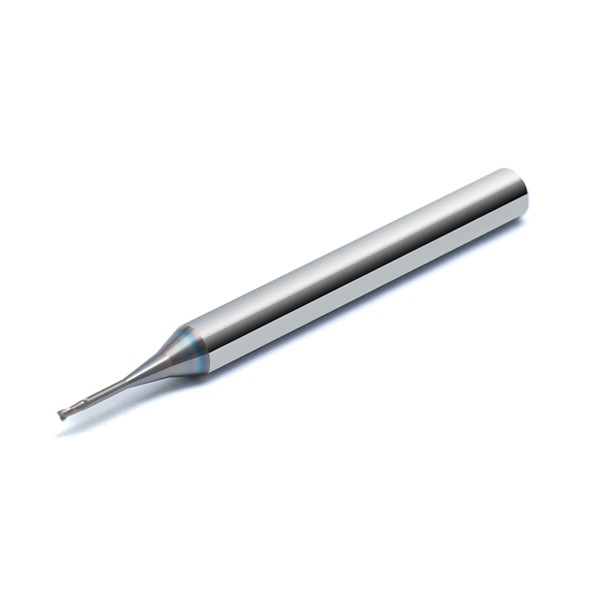
Key Takeaways
Pick the right micro end mill by size and shape for accuracy and strength.
Use good materials and coatings; carbide tools with coatings last longer and work better.
Match the micro end mill to the job to get better results and make tools last longer.
Take care of tools by checking for damage, cleaning, and using coolants to keep them working well.
Set feed rates and speeds carefully to cut well and keep surfaces smooth.
Key Factors for Picking a Micro End Mill
Choosing the right micro end mill means knowing key details. Each detail helps with accuracy, strength, and smooth machining. Let’s look at these important points.
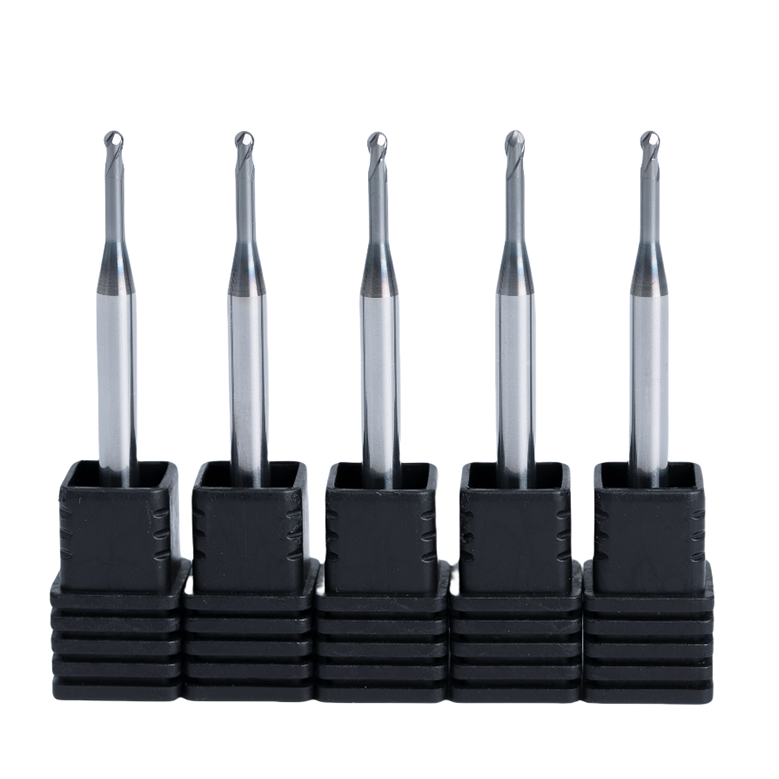
Tool Size and Shape
The size and shape of a micro end mill affect how it works. The tool’s diameter decides its strength and precision. Small end mills, under 1/8 inch wide, are great for detailed work. But smaller tools need careful use to avoid breaking.
Runout is another key factor. It measures how much the tool wobbles while spinning. For best results, runout should stay below 2% of the tool’s diameter. Too much runout can cause rough surfaces and wear out the tool faster.
The chip thickness and edge radius ratio also matter. If the ratio is too small, the tool pushes instead of cutting. This makes cutting harder and wears out the tool quickly.
Material and Coatings of the Tool
The material and coating of a micro end mill decide how long it lasts and what it’s good for. Tools made from high-speed steel (HSS) or carbide are common. Carbide tools are tough and great for precise jobs.
Coatings make tools even better. For example, TiAlN coatings handle heat well and reduce wear. These are perfect for cutting hard materials like Inconel 718. Research shows AlTiN or TiAlN + AlCrN coatings can make tools last longer and wear less.
When picking a coated tool, think about the material you’ll cut. Special coatings for certain materials improve performance and give smoother results.
Choosing for Specific Jobs
Different jobs need different micro end mills. For example, cutting Inconel 718 needs special coatings and settings. A study shows TiAlN-coated tools and MQL (Minimum Quantity Lubrication) work best for this material. They help with chip removal and reduce tool wear.
Another method uses lasers to improve cutting and reduce wear. This shows how tools and settings must match the job for the best results.
When picking a micro end mill, think about the material, work setup, and finish you want. Choosing the right tool for the job improves performance and makes tools last longer.
Important Features of a Micro End Mill
Shank and Cutter Diameter
The shank and cutter diameter affect how well the tool works. The shank diameter makes the tool stiff and strong. The cutter diameter controls how precise and smooth the cuts are. Bigger diameters are steadier and less likely to bend during use. Smaller diameters are better for detailed work but need careful handling.
When picking a micro end mill, think about your project needs. If you need very precise cuts, choose a smaller cutter diameter. But be careful to avoid breaking it.
Flute Count and Helix Angle
Flute count and helix angle change how chips are cleared and surfaces look. Fewer flutes remove chips faster, which is good for soft materials. More flutes make smoother surfaces but can struggle with chip removal in deep cuts.
The helix angle is the slant of the cutting edge. A higher angle makes cutting easier and improves surface finish. But it can weaken the tool, especially if the diameter is small. A medium helix angle works well for most jobs.
Think about the material and finish you want when choosing flutes and angles. For example, two-flute tools are good for aluminum. Four-flute tools work better for harder materials like steel.
Tool Deflection and Runout
Tool deflection and runout affect accuracy and tool life. Deflection happens when the tool bends under pressure, causing uneven cuts. Runout is when the tool wobbles while spinning, leading to rough surfaces and faster wear.
Tests show regular micro end mills often wear out or break on tough materials. Tools with big deflection create high cutting forces and uneven chips. Two-flute tools are less stiff and bend more than stronger designs.
To avoid these problems, use tools with good alignment and low runout. Pick tools with the right shape and material to reduce bending and improve accuracy.
Best Practices for Using Micro End Mills
Tool Path Strategies for Precision
Picking the right tool path improves accuracy and reduces wear. Try advanced methods to make machining smoother. For example, an arching tool path spreads cutting forces slowly. This lowers stress on the tool and prevents damage. When cutting corners, slow down the feed rate. This helps handle the extra pressure from more tool contact.
Climb milling is another good method. It gives a smooth surface by keeping cutting forces steady. For tall or thin parts, support them well during finishing cuts. This stops bending or deflection. Also, plan tool paths to avoid sudden force changes. Small tools are delicate, and quick force shifts can break them.
Using these strategies helps you cut more accurately and makes tools last longer.
Adjusting Feed Rate and Speed
Setting the right feed rate and speed is very important. It keeps tools working well and gives a smooth finish. Research shows doubling feed per tooth lowers cutting forces by 22%. This makes machining faster and easier. But feed rate affects surface quality more than cutting speed.
For instance, higher feed rates improve chip removal and lower cutting forces. But going too fast can make the surface rough. Cutting speed changes how smooth the surface is and how burrs form. A balanced setting works best.
Maintenance Tips for Longevity
Taking care of your tools keeps them working longer. Check for damage or wear before using them. Even small problems can hurt accuracy. Clean the tools to remove dirt, which can cause overheating.
Coolants help reduce heat and make tools last longer. Use tools with special coatings, like TiAlN, for better durability. Store tools in a dry, safe place to avoid rust or damage.
Follow these tips to keep your tools in great shape and ensure high-quality machining.
Choosing the right micro end mill helps with accurate machining. Match your tool choice to your project’s needs for success. Fields like aerospace, healthcare, and automotive need precise tools for small parts. Knowing about tool coatings and shapes improves your results.