



What is a corner rounding end mill?
In the world of machining and metalworking, achieving precise, clean, and functional edges is critical for both aesthetics and performance. One tool that plays a pivotal role in this process is the corner rounding end mill. Designed to create smooth, rounded edges on workpieces, this specialized cutting tool is indispensable in industries ranging from aerospace to automotive manufacturing. In this article, we’ll explore what a corner rounding end mill is, how it works, its applications, and why it’s a must-have for machinists.
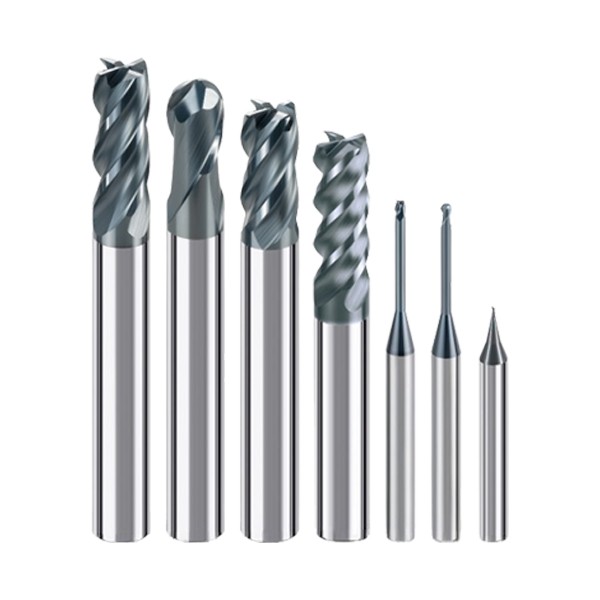
What is a Corner Rounding End Mill?
A corner round end mill is a type of milling cutter specifically designed to create a radius or rounded corner on the edges of a workpiece. Standard end mills create sharp edges but this tool has a unique profile with a concave cutting edge that gently carves out consistent and smooth curves. The radius of the rounded corner relates to the design of the tool that is typically listed as inches or millimeters (1/8′′ R, 3mm R, etc.).
How Does corner rounding end mill Work?
A corner rounding end mill operates by using its specialized concave cutting edge to machine smooth, rounded edges on workpieces. When mounted in a milling machine or CNC setup, the tool rotates at high speeds while moving along the edges of the material. The unique profile of the end mill designed with a specific radius (e.g., 1/8" or 3mm), gradually removes material in a controlled arc, transforming sharp corners into uniform curves. The flutes on the tool’s body help evacuate chips, preventing clogging and overheating.
This process is ideal for deburring, stress reduction, or aesthetic finishing. The corner round end mill’s geometry ensures consistent radii across multiple parts, eliminating manual grinding or filing. Made from durable materials like carbide or high-speed steel (HSS), it withstands rigorous use on metals, plastics, and composites. By adjusting spindle speed, feed rate, and depth of cut, machinists achieve precise results while maintaining tool longevity. In essence, the corner rounding end mill combines precision engineering and rotational force to deliver clean, functional edges efficiently and safely.
Use of Corner Round End Mills
Corner rounding end mills are multifunctional tools that are widely used in various industries for functional as well as aesthetic benefits:
Deburring: The removal of sharp edges left after machining processes, such as milling or drilling, to enhance safety and facilitate part handling.
Aesthetic Finishing: Rounding the edges of consumer products, furniture, or automotive components.
Stress Relief: Rounded edges can help reduce stress concentration points in moving mechanical components, which can lead to component failure and shorten component service life.
Mold and Die Making: Edge preparation of molds or dies used to facilitate proper flow of material during casting or stamping.
Aerospace & Medical Devices: Supporting the stringent precision & safety requirements of mission-critical components
Why Use A Corner Rounding End Mill
Uniform: Generates consistent radii on multiple workpieces.
Save Time : No filing or grinding required
Type: Suitable for aluminum, steel, plastics, and composites.
Increased Safety: Eliminates sharp edges on finished parts.
How to Select a Corner Rounding End Mill
Choosing the right tool depends on some factors:
How To Keep Corners You Want Radius Size: Specify the radius size of the tool according to your desired corner dimension.
These considerations can significantly impact the selection of a tool: Material Compatability: Carbide machines easily through hard metals, whereas HSS is effective with softer metals.
Coating Options: Also available with titanium nitride (TiN) or diamond coatings for higher wear resistance
Machine Compatibility: Make sure the shank diameter of the tool is compatible with your milling machine collet.
Tips for Optimal Performance
Speed and Feed Rates: Adhere to manufacturer's recommendations to prevent tool wear or workpiece damage.
Use of Coolant: Reduce heat and increase tool longevity.
Routine Maintenance: Clean the tool following use, and check for any chips or wear.
Conclusion
Corner rounding end mills provide a means to achieve high quality machine edge finishing with a professional quality. Whether you need to deburr a metal part, create more ergonomic designs, or prepare components for high-stress environments, this corner round end mill provides precision, efficiency, and safety. Knowing its construction, uses and selection factors can help machinists unlock its full potential and attain a better quality.