



Long Neck Square End Mills Carbide: An In-Depth Analysis
Long neck square end mills are specialized cutting tools widely used in machining operations. They play a crucial role in various industries such as aerospace, automotive, and general manufacturing, where precise cutting and shaping of materials are required. This article delves into the features, applications, advantages, and considerations of long neck square end mills, highlighting their significance in modern machining.
What are Long Neck Square End Mills Carbide?
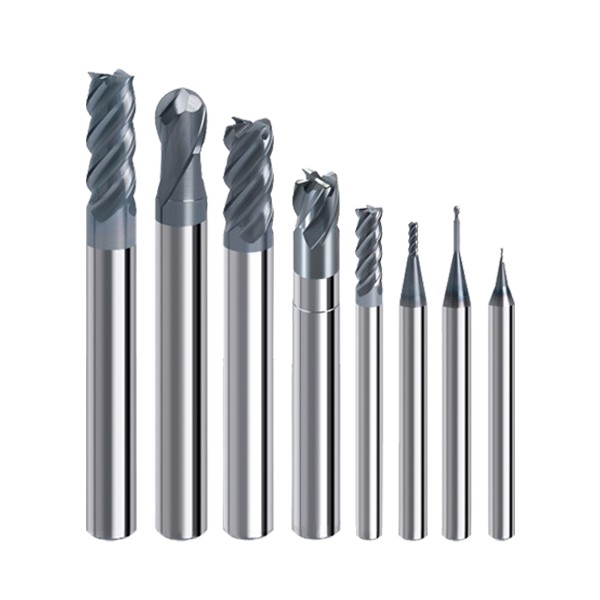
Long Neck Square End Mills Carbide are characterized by their extended neck length, allowing for deeper cutting applications compared to standard end mills. The square end design ensures that the tool can create flat-bottomed slots, pockets, and contours, making them ideal for precision machining tasks. These tools are typically made from high-speed steel (HSS) or carbide, providing durability and a sharp cutting edge.
Key Features of Long neck square end mills carbide
Extended Neck Length: The long neck enables access to hard-to-reach areas in complex workpieces, making these mills suitable for deep cavity machining.
Square End Design: The flat end of the tool allows for clean, square corners in milling applications, which is essential for creating precise geometric shapes.
Material Composition: Long neck square end mills are often made from high-speed steel or carbide, with carbide offering superior hardness and wear resistance.
Flute Design: The flute geometry of these mills is designed to facilitate chip removal, improving machining efficiency and surface finish.
Applications of Long neck square end mills carbide
Long Neck Square End Mills Carbide are versatile tools used in various applications:
1. Deep Pocketing Operations
In machining operations where deep pockets or cavities need to be created, long neck square end mills are invaluable. Their extended length allows for effective material removal without the need for excessive tool changes, enhancing productivity.
2. Mold and Die Making
In the manufacturing of molds and dies, precision is paramount. Long Neck Square End Mills Carbide enable machinists to achieve the required dimensions and tolerances in complex shapes, making them essential for producing high-quality molds used in injection molding and casting processes.
3. Aerospace Components
The aerospace industry demands components with intricate geometries and tight tolerances. Long neck square end mills are used to machine various parts such as brackets, housings, and structural components, ensuring the highest standards of quality and precision.
4. Automotive Parts Manufacturing
In automotive manufacturing, Long Neck Square End Mills Carbide are employed to create features like engine blocks, transmission cases, and other components that require deep cutting capabilities and precise finishes.
5. General Machining
Apart from specialized applications, Long Neck Square End Mills Carbide are also used in general machining operations for milling, contouring, and drilling tasks, making them versatile tools in any machine shop.
Advantages of Long neck square end mills carbide
The use of long neck square end mills offers several advantages over standard milling tools:
1. Accessibility
The extended neck design allows these mills to reach deep into workpieces, making them ideal for applications where standard tools cannot access.
2. Precision and Accuracy
The square end design ensures that the cut is precise, producing flat surfaces and sharp corners, which is crucial for many machining applications.
3. Reduced Tool Changes
By using long neck square end mills for deep machining tasks, manufacturers can minimize the number of tool changes, leading to increased efficiency and reduced downtime.
4. Versatility
These tools can be used on a wide range of materials, including metals, plastics, and composites, making them suitable for various industries and applications.
5. Improved Surface Finish
The flute design and sharp cutting edges of long neck square end mills contribute to better surface finishes, reducing the need for secondary operations.
Considerations When Using Long neck square end mills carbide
While long neck square end mills offer numerous benefits, there are important factors to consider when using them:
1. Tool Selection
Choosing the right diameter and length for the specific application is crucial. Oversized tools may lead to reduced rigidity and increased vibration, negatively impacting the machining process.
2. Cutting Parameters
Selecting appropriate cutting speeds, feeds, and depths of cut is essential for optimizing tool life and machining efficiency. It's important to consult manufacturer guidelines and conduct tests to determine the best parameters for specific materials and applications.
3. Rigidity and Stability
Due to their extended length, Long Neck Square End Mills Carbide can be more susceptible to deflection and vibration. Ensuring proper clamping and stability of the workpiece is vital to achieving accurate results.
4. Cooling and Lubrication
Effective cooling and lubrication help to reduce heat generation and prolong tool life. Using appropriate cutting fluids or coolants can improve performance and surface finish.
5. Tool Wear and Maintenance
Regular inspection of the tool for wear and damage is crucial. Dull or damaged tools can lead to poor machining outcomes and increased production costs, making timely replacement essential.
Long neck square end mills are indispensable tools in the machining industry, offering unique capabilities that enhance precision and efficiency in various applications. Their extended neck design, combined with the square end shape, allows for deep cutting operations while maintaining accuracy. As industries continue to evolve, the demand for high-quality machining tools like Long Neck Square End Mills Carbide will remain strong, underscoring their importance in modern manufacturing processes. Understanding their features, applications, and proper usage will enable machinists to maximize the benefits of these versatile tools, ensuring successful outcomes in their machining endeavors.